Doctors24 Editorial TeamAug 19, 2026
Read //

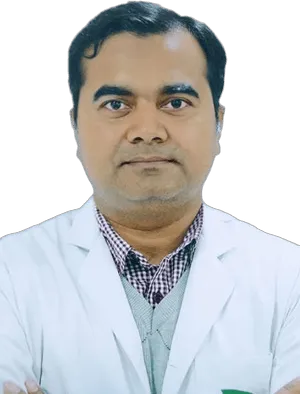
MBBS, FCPS (EYE), MCPS (EYE)
Long Term Fellow in Vitreo Retina (IIEI&H), IOFF Fellow in Uveitis (USA)
Phaco, Retina and Uveitis Specialist
Dr. Sheikh Md. Arafat Rahman is an Eye Specialist in Dhaka specializing in phaco surgery, retina, and uveitis management. He holds an MBBS, FCPS (Eye), and MCPS (Eye), along with advanced training as a Long Term Fellow in Vitreo-Retina from IIEI&H and IOFF Fellowship in Uveitis (USA). He currently serves as a Consultant in the Vitreo-Retina Department at Ispahani Islamia Eye Institute and Hospital, Dhaka.
He provides diagnosis and treatment for a wide range of eye conditions, including cataracts, diabetic retinopathy, retinal detachment, uveitis, macular degeneration, and other vitreoretinal disorders. His clinical practice focuses on advanced ophthalmic care, including phacoemulsification (cataract surgery) and retina-related procedures, ensuring accurate diagnosis and evidence-based treatment.
Dr. Sheikh Md. Arafat Rahman consults patients at Bangladesh Eye Hospital, Mirpur, located at Sumi Tower, 66 Zoo Road, Mirpur-2, Dhaka-1216. His visiting hours at this chamber are 6:00 PM to 9:00 PM (Sunday to Tuesday). Patients are advised to visit during scheduled hours to receive consultation and appropriate eye care.
Call the chamber to book an appointment or get more information.
Sumi Tower, 66 Zoo Road, Mirpur-2, Dhaka-1216

Visiting Hour
6pm to 9pm (Sunday to Tuesday)
Note: Reviews reflect individual patient experiences and do not constitute medical advice.
Learn More About Your Condition
Watch expert videos on health, prevention, treatment, and more.