Doctors24 Editorial TeamAug 20, 2026
Read //

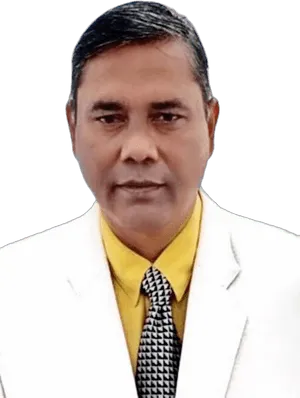
MBBS, MCPS, DVD, FCPS (Dermatology)
Skin, Allergy, Sexual Diseases Specialist & Laser Surgeon
Lt. Col. Dr. Md. Shahjahan Siraj is a qualified Dermatologist and Venereology specialist based in Bogura. He holds the degrees MBBS, MCPS, DVD, and FCPS (Dermatology) and has extensive experience in diagnosing and treating a wide range of skin, hair, nail, and sexually transmitted diseases.
Dr. Siraj currently serves as the Associate Professor and Head of the Department of Dermatology & Venereology at Army Medical College, Bogura, and is also affiliated with Combined Military Hospital (CMH), Bogura. In addition to his academic and hospital responsibilities, he consults patients at a private diagnostic center in Bogura.
Dr. Md. Shahjahan Siraj provides consultations at Popular Diagnostic Center, Bogura, where patients can receive expert dermatological care.
Chamber: Popular Diagnostic Center, Bogura
Consultation Hours:
Saturday – Wednesday: 4:00 PM – 9:00 PM
Friday: 10:00 AM – 3:00 PM
Patients seeking treatment for skin diseases, allergies, hair problems, or other dermatological conditions can visit during these hours.
Call the chamber to book an appointment or get more information.
House # 12/310, Thanthania Bus Stand, Sherpur Road, Bogura

Visiting Hour
4pm to 9pm (Sat to Wed), 10am to 3pm (Fri)
Note: Reviews reflect individual patient experiences and do not constitute medical advice.
Learn More About Your Condition
Watch expert videos on health, prevention, treatment, and more.